

Opus Clip launched in 2022 and within two years became the AI video editor creators mention most when they want to justify not hiring an editor. That is not a criticism of the product — it does what it says. The problem is that "something postable fast" and "content that performs" are different targets, and conflating them costs creators more in the long run than the $20 per Reel they save up front.
I use AI tools in my own editing workflow. Premiere Pro has AI-assisted features I rely on daily, and I have run client footage through Opus Clip to test it directly. This comparison comes from that experience, not from an editor who wants to talk down a competing product.
What Opus Clip actually does
Opus Clip takes a long video, identifies moments its AI scores as highlights, clips them to vertical format, and adds captions. Some plans include B-roll suggestions, keyword highlighting on captions, and auto-reframing for different aspect ratios.
The AI scores moments based on speech patterns, energy levels, and topic relevance. It then ranks clips by what it predicts will perform. You get a queue of clips you can post with minor adjustments or none at all.
Where it genuinely works
Speed is the actual benefit. If you recorded a two-hour podcast and need three clips on YouTube Shorts by tomorrow, Opus Clip gives you something to post in under an hour. That is real, and for some creators it is the right trade-off.
It also handles situations where performance is not the goal well. Internal team content, newsletter clips, Slack updates, repurposed conference recordings — content that needs to exist but does not need to convert anyone. For those, a serviceable clip is fine.
And if you want to test which moments from a recording actually land with your audience before investing in a proper edit, running footage through Opus Clip first is a reasonable experiment. Treat the output as research, not as final product.
Where it falls short
The hook problem
Opus Clip finds the most interesting moment in your recording. Constructing a compelling hook is a different task entirely. Finding a good soundbite is a search problem. Writing a hook is a decision about what a viewer needs to hear in the first two seconds to stop scrolling. Opus Clip is built for the first. A real editor does the second.
Most AI-clipped videos start mid-sentence, at the moment where the speaker gets to the point. A real edit often starts before that — with the tension, the question, the framing that makes the point land harder when it arrives.
The recognition problem
After watching a few thousand Reels, I can usually tell within two seconds whether something was clipped by Opus or edited by a person. The caption font weight, the jump cut timing, and the moment selection all have a signature. Viewers do not consciously register it, but they feel it as generic. Generic gets scrolled past.
Pacing
Opus sequences clips by content relevance. A real edit controls the tempo of information delivery. The pause before the payoff, the cut that creates tension, the moment where silence works better than audio — these are decisions, not detections. The difference between a clip someone watches and a clip someone saves is almost always in the pacing.
Brand voice in captions
Auto-captions are functional. For creators where captions are part of the brand — specific fonts, specific styles, specific timing that matches their delivery — Opus Clip produces something generic. All creators on the platform end up looking like they came from the same source, because they did.
What a real edit actually changes
When I edit a short-form video, the process starts with a question: what makes someone stop scrolling? That question shapes everything — which moment opens the video, how much of the setup gets cut, where the first cut lands. Opus Clip does not ask that question. It finds highlights. Those are different starting points.
Trending audio, when it fits, adds context before the viewer hears a word. A good audio choice tells the viewer what kind of video this is and whether it is for them. Auto-clips have no audio selection. That matters more than people expect.
Caption styling is part of the brand. The font, the size, the colour, the timing on each word — for creators who build audiences, these are consistent enough that their audience recognises their content before reading a word. That consistency is built edit by edit, and it does not come from a template.
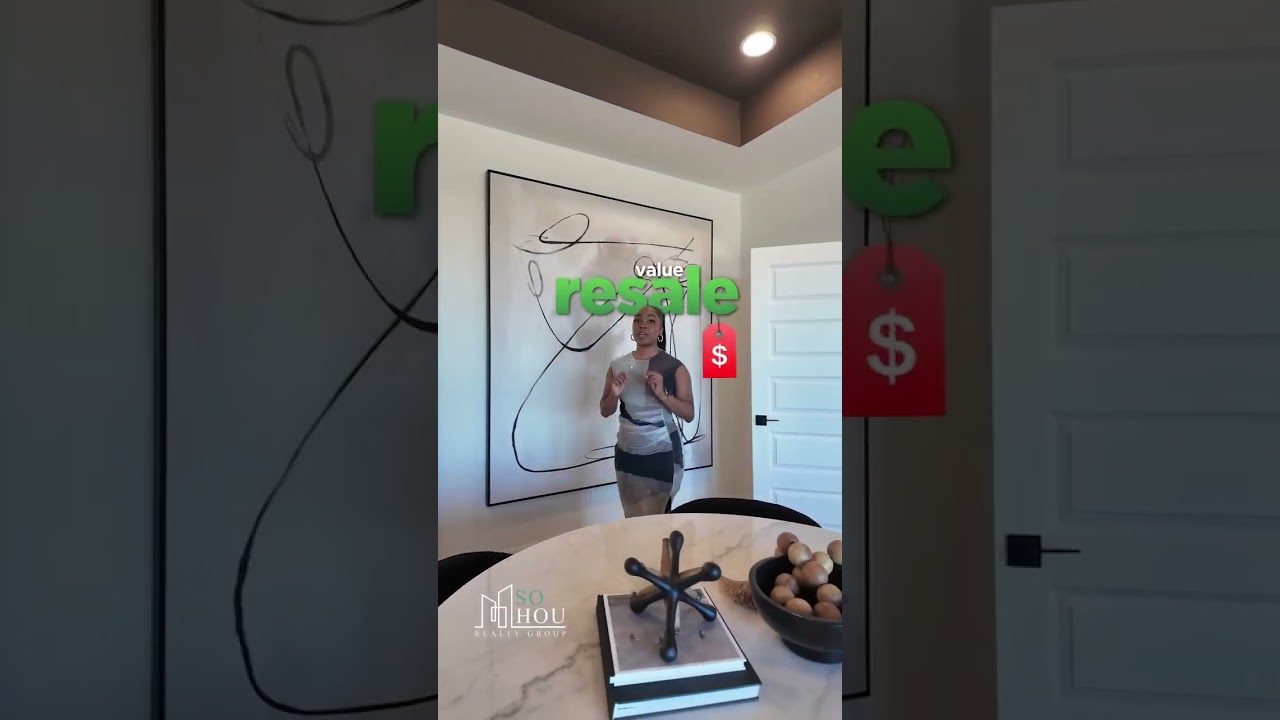
One of the short-form Reels from my portfolio — hook, captions, and audio all deliberate decisions. See more work samples.
Price comparison
| Feature | Opus Clip Pro (~$15/mo) | Real editor ($20/Reel) |
|---|---|---|
| Hook construction | No | Yes |
| Brand caption styling | No | Yes |
| Trending audio | No | When it fits |
| Retention-led pacing | No | Yes |
| Revisions | No | 3 rounds |
| Turnaround | Minutes | 36 hours |
| Volume capacity | Unlimited | By package |
| Cost per clip (5/mo) | ~$3 | $20 |
The cost comparison only makes sense if both produce comparable output. For internal content or high-volume low-stakes clips, they do. For content you are measuring — views, saves, follows, conversion — they do not.
Want to test the difference on your own footage?
$20 per Reel · 36-hour first draft · 3 revision rounds includedWhen to use which
Opus Clip
- Volume content, low performance priority
- Internal or newsletter clips
- Testing moments before investing in editing
- Repurposing conference recordings
- Speed is more important than hook quality
Real editor
- Content you are measuring (views, saves, follows)
- Building an audience where consistency matters
- Brand voice needs to come through in the edit
- Hook needs to be constructed, not found
- You want revisions until it is right
Most creators who ask "should I use Opus Clip or Opus Clips alternatives, or just hire an editor?" are really asking about budget. If $20 per Reel is tight, Opus Clip is better than nothing. If you are publishing content and measuring whether it grows your audience, the difference in output quality pays back quickly.
I work with creators who use both. Some run footage through Opus Clip for testing, then send the winning clips to me for a proper edit. That is a sensible approach if you publish at high volume and want to know which moments are worth spending on before you spend.
If you want to see what the difference looks like in practice, the work samples on the homepage are all hand-edited. The hook, pacing, and caption choices on each one were deliberate decisions, not detections.